Youth and Family Programs
What Are Youth And Family Programs For Meditation?
Youth and family programs for meditation are initiatives designed to introduce meditation practices and mindfulness techniques to children, teenagers, and their families. These programs aim to foster emotional well-being, promote self-awareness, and develop healthy coping mechanisms from an early age.
It includes guided meditation sessions, mindfulness exercises, breathing techniques, and activities encouraging reflection and relaxation. Youth and family meditation programs often provide a safe and supportive environment where participants can learn and practice meditation together, fostering a sense of connection and mindfulness within the family unit. These programs help young individuals and their families cultivate a lifelong habit of self-care and emotional resilience.
What are the benefits of meditation for youth and families?
- Reducing stress, anxiety, and anger
- Improving focus, memory, and learning
- Enhancing mood, happiness, and self-esteem
- Boosting immunity, health, and sleep
- Deepening connection, communication, and empathy
- Fostering creativity, curiosity, and joy
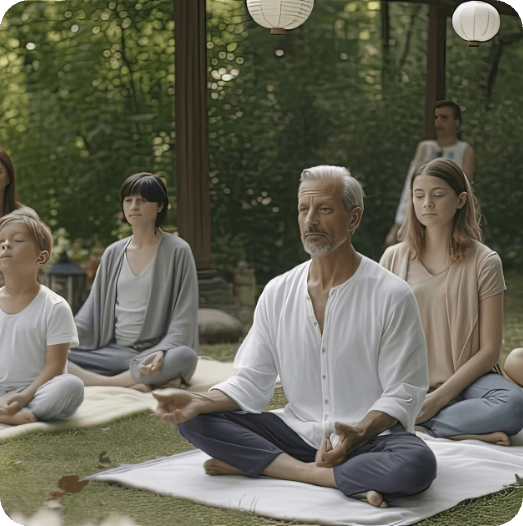
How can I find a youth or family program for meditation near me?
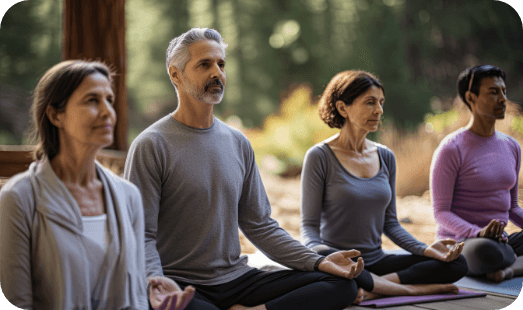
- Various websites are available online that connect people who share similar interests or hobbies. You can search for meditation meetups near you and filter by age group or topic.
- Various applications offer thousands of guided meditations, music tracks, podcasts, and courses on various meditation-related topics. You can also join live events or groups with other meditators worldwide.
- Various websites provide information, inspiration, and guidance on mindfulness and meditation. You can also find articles, videos, podcasts, events, courses, and directories related to youth and family meditation.
What is the ideal age range for youth and family meditation programs?
There is no one-size-fits-all answer to this question, as the ideal age range for youth and family meditation programs will vary depending on the individual child and family. However, many experts recommend that children start meditating around 6 or 7.
Here are some factors to consider when determining the ideal age range for a youth and family meditation program:
The child's developmental level:
The family's values:
The program's goals:
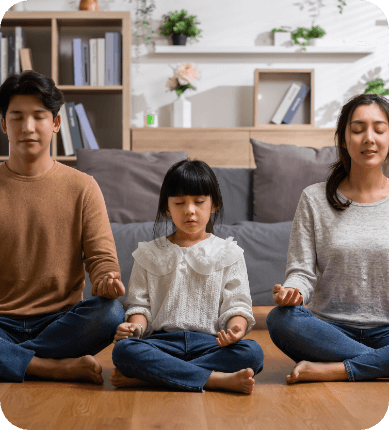
How can I start a meditation practice with my child or family?
Starting a meditation practice with your child or family can be a beautiful journey of self-discovery and connection. Begin by creating a calm and comfortable space for meditation, free from distractions. Keep sessions short and age-appropriate, gradually increasing the duration over time.
Explore guided meditations or use simple techniques like mindful breathing or body scans. Make it enjoyable by incorporating games, storytelling, or visualizations. Lead by example and participate together as a family, fostering a sense of togetherness. Keep it consistent but flexible, adapting to your family’s needs. Most importantly, approach it with an open heart and a playful spirit, allowing meditation to become a cherished, shared experience.
Do youth and family meditation programs teach specific meditation techniques?
- Focusing on the breath: This basic meditation technique involves paying attention as it flows in and out of the body.
- Counting breaths: This slightly more advanced meditation technique involves counting the breaths as they flow in and out of the body.
- Counting breaths: This slightly more advanced meditation technique involves counting the breaths as they flow in and out of the body.
- Mindful movement: This meditation technique involves paying attention to the body as it moves.
How can meditation help children and families manage stress and improve emotional well-being?
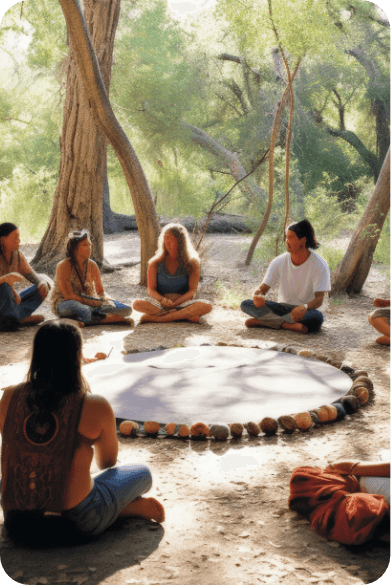
- Increased awareness of thoughts and feelings:
- Reduced reactivity:
- Improved focus and concentration:
- Increased self-compassion:
- Improved relationships:
Can youth and family meditation programs be tailored to accommodate special needs or disabilities?
Youth and family meditation programs can be tailored to accommodate special needs or disabilities. Experienced instructors and facilitators can modify meditation practices to suit the specific needs of participants with physical disabilities, sensory sensitivities, or cognitive challenges.
They can provide adaptations, such as offering alternative seating arrangements, using visual aids or guided imagery, and adjusting the pace and duration of the sessions. By creating an inclusive and supportive environment, these programs ensure that individuals with special needs can fully participate and benefit from meditation.
Are there any prerequisites or prior experience required to join these programs?
Only prerequisites or prior experience are required to join youth and family meditation programs. These programs are designed to be inclusive and welcoming to individuals of all levels of experience, including beginners.
Whether you or your child are completely new to meditation or have some prior exposure, you can join these programs and learn the fundamentals of meditation together.
Skilled instructors and facilitators guide participants through the practice, providing step-by-step instructions and support. The focus is on creating a nurturing environment for exploration and growth, regardless of prior knowledge or experience.
Frequently Asked Question
01 What are Youth and Family Programs?
Youth and Family Programs is a non-profit organization providing diverse services for foster families and youth from infancy to age 21. They operate in Butte and Shasta counties in California.
02 Who can participate in youth and family programs?
Youth and family programs are open to all children, youth, and families, regardless of income, race, ethnicity, or background. Some programs may have specific eligibility requirements, such as homelessness or having a parent in jail.
03 How do I find a youth and family program?
There are many ways to find a youth and family program. You can ask your child’s school, doctor, or local library for recommendations. You can also search online or contact your state or local government.
04 How much do youth and family programs cost?
The cost of youth and family programs varies depending on the program and the location. Some programs are free, while others may charge a fee.
05 How can I help support youth and family programs?
There are many ways to help support youth and family programs. You can donate money, volunteer, or advocate for policies supporting these programs.
06 What is the future of youth and family programs?
The future of youth and family programs is bright. There is a growing recognition of the importance of these programs, and there is increasing investment in them. As a result, we expect to see more and better youth and family programs in the future.
07 What are the services offered by Youth and Family Programs?
Youth and Family Programs offers the following services:
Foster care: They recruit, train, and support loving foster parents who create safe and caring home environments for needy children.
Transitional housing: They assist foster youth aged 16-18 in becoming independent before they age out of the system. They provide them with a live-in mentor, a roommate, and life skills training.
Independent living program: They help foster youth aged 18-21 transition to adulthood by providing housing, education, employment, and counseling services.
Wraparound services provide individualized and family-centered support to children and families with complex needs. They coordinate with various agencies and professionals to meet the family’s goals.
08 How can I get involved with Youth and Family Programs?
There are several ways you can get involved with Youth and Family Programs, such as:
Becoming a foster parent: You can apply to become a foster parent by filling out an online inquiry form or calling their office. You must meet certain requirements, such as passing a background check, completing a home study, and attending pre-service training.
Donating: You can make a one-time or recurring donation to support the programs and services of Youth and Family Programs. You can donate online or by mail.
Volunteering: You can volunteer your time and skills to help with various tasks, such as tutoring, mentoring, fundraising, or administrative work. You can complete an online volunteer application or contact their office for more information.